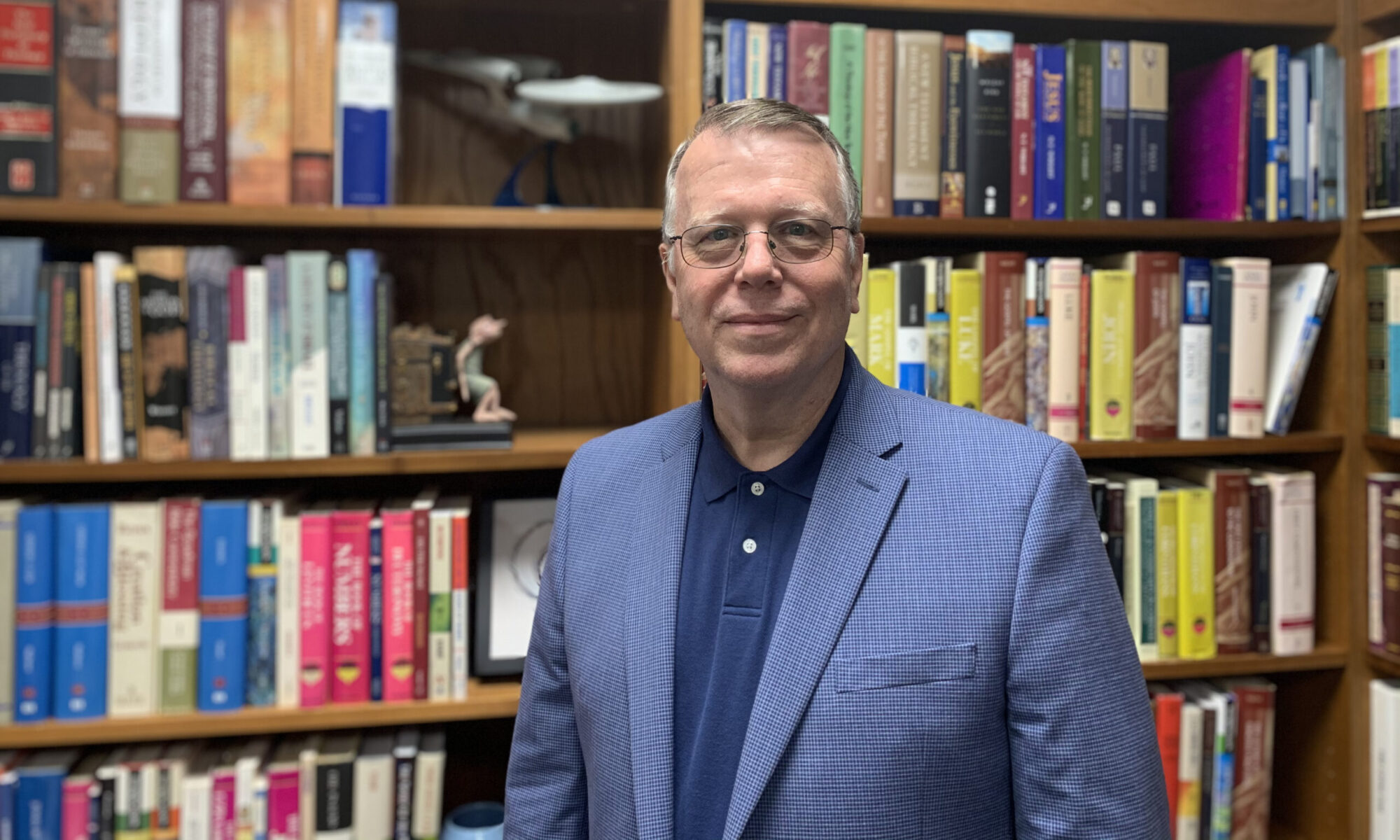
I often feel that I’m stuck in the middle, walking down a path between two fools – those who reject knowledge and those who have made knowledge an idol – both for whom I have great affection. There is an old hit song from the 1970’s that I have adopted as my new anthem. Stealers Wheel wrote and performed Stuck in the Middle with You, a song that made Billboard’s top ten in 1973. The lyrics of the chorus include these words: “Clowns to the left of me, jokers to the right; Here I am, stuck in the middle with you.”
Church and State in the 21st Century
The Rise of Christendom
For its first three centuries, the Christian church existed as a barely tolerated, sometimes persecuted, and widely misunderstood minority religion within the Roman Empire. The Christian confession that “Jesus Christ is Lord” was deemed to be a political threat by the Roman authorities. The Roman Empire tolerated religious diversity as long as it did not conflict with the interests of the state and devotion to the Emperor.
Celebrating Sacraments at the Pentecostal Altar
In Pentecostal Sacraments (2010, 2015) I suggested that the church’s worship should be an integration of the Spirit, the Word, and Sacraments. For liturgical worshipers, the Spirit is present in the sacraments. For reformed worshipers, the Spirit is present in the Word. Pentecostal worshipers emphasize an unmediated personal encounter with the Holy Spirit. Each worship tradition standing alone has shortcomings. Liturgical worship without the Word and the Spirit may lead to dead formalism. Reformed worship without sacraments and the Spirit may lead to sterile intellectualism. Pentecostal worship without sacraments and the Word may lead to shallow emotionalism. Since the publication of Pentecostal Sacraments, others have called for the integration of Word, Sacrament, and Spirit in Christian worship.
Continue reading “Celebrating Sacraments at the Pentecostal Altar”
Patriotism is not Immoral; it is a Public Duty
I do not believe in Christian nationalism. But I do believe that faithful Christians can be patriotic citizens. On Independence Day, many Christians will assemble to celebrate our great country. To properly love one’s homeland is by no means immoral. So, I offer a few ways faithful Christians can demonstrate love of country.
Continue reading “Patriotism is not Immoral; it is a Public Duty”
Religious Freedom is Essential to the Mission of Christ
Religious freedom is an inalienable human right granted by God in creation (Genesis 2). Religious freedom is an expression of free will. In the Garden of Eden, God granted to the first humans the freedom of choice – the choice to believe, the choice to be obedient, and the choice to rebel. The Apostle Paul affirmed that all humans, Jew and Gentile, have a religious conscience that prompts an intuitive search for God (Romans 2:15; Acts 17:24-28). Because religious freedom is granted by God, this is a freedom that is not derived from the state and should not be suppressed by the state.
Continue reading “Religious Freedom is Essential to the Mission of Christ”
The Other Tongues of Pentecost
I often hear or read well-meaning preachers suggest that if we are serious about reaching this generation with the gospel, then we must speak their language, or bring it to their level. In other words, we need to get rid of our religious sounding vocabulary. I suggest that’s a mistake. Pentecost offers a paradigm for doing missionary preaching.
The Spirit filled the House
God is omnipresent. God’s presence fills space and time; God’s presence transcends space and time. God’s omnipresence means that God is not confined within, or limited to, a specific time or place (Acts 17:24). Even so, God has, at times, revealed God’s self locally, in a specific time and place.